Introduction
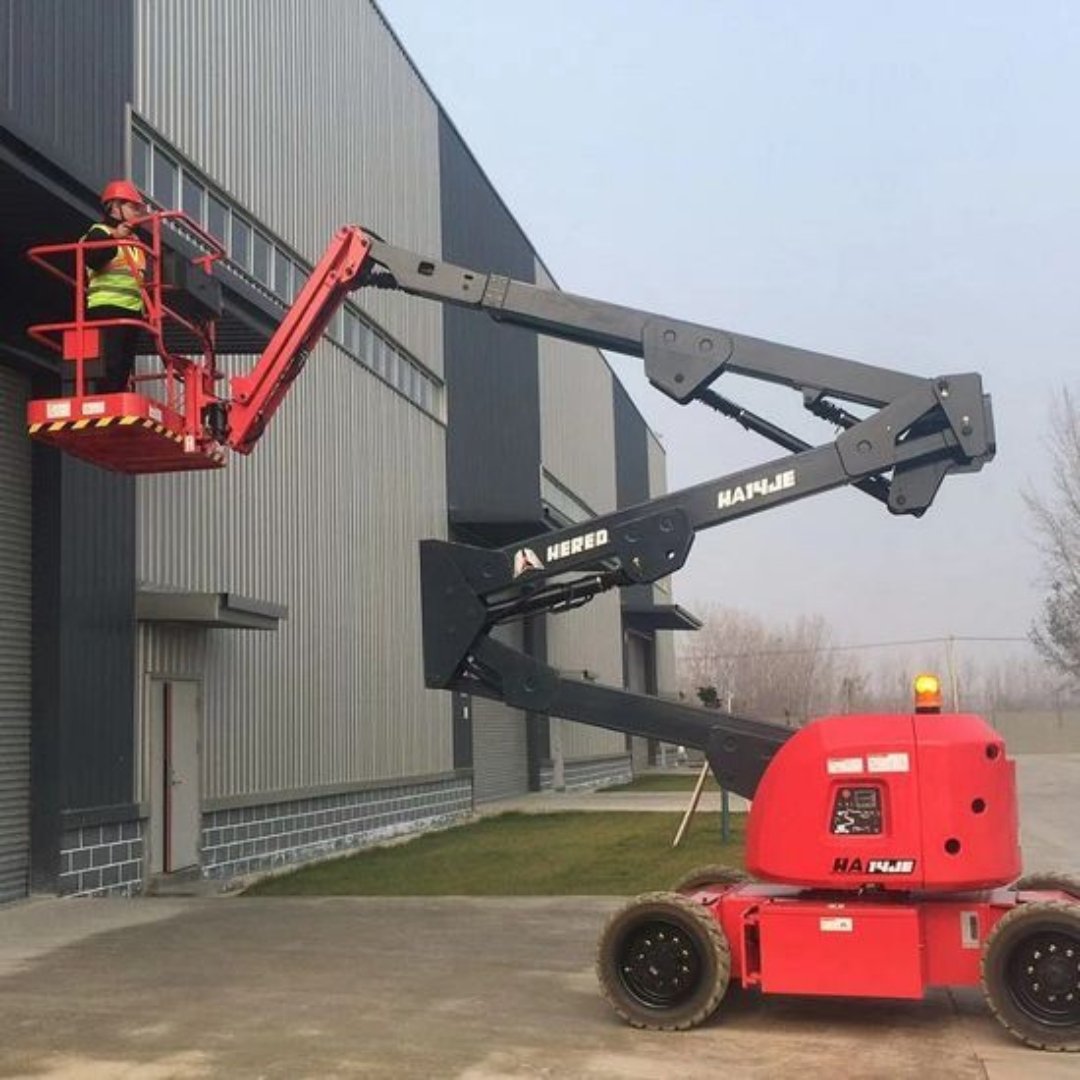
Hydraulics is a technology that uses pressurized liquid to generate, control, and transmit power. It is widely used in construction, manufacturing, automotive, and heavy equipment industries. By applying force to a confined fluid, hydraulics can lift and move extremely heavy loads with ease. A typical hydraulic system consists of a pump, fluid, valves, and cylinders or motors. Hydraulic systems are known for their strength, precision, and smooth operation. Today, hydraulics plays a vital role in powering modern machines and infrastructure worldwide.
How Hydraulics Works
Hydraulics works on the principle that pressure applied to a confined liquid is transmitted equally in all directions. When the pump pushes hydraulic fluid into the system, it creates pressure. This pressurized fluid flows through control valves that direct and regulate its movement. The fluid then enters a cylinder or motor, where the pressure is converted into mechanical force. This force produces linear or rotary motion to move machine parts. Once the task is completed, the fluid returns to the reservoir and the cycle repeats.
Main Components of a Hydraulic System
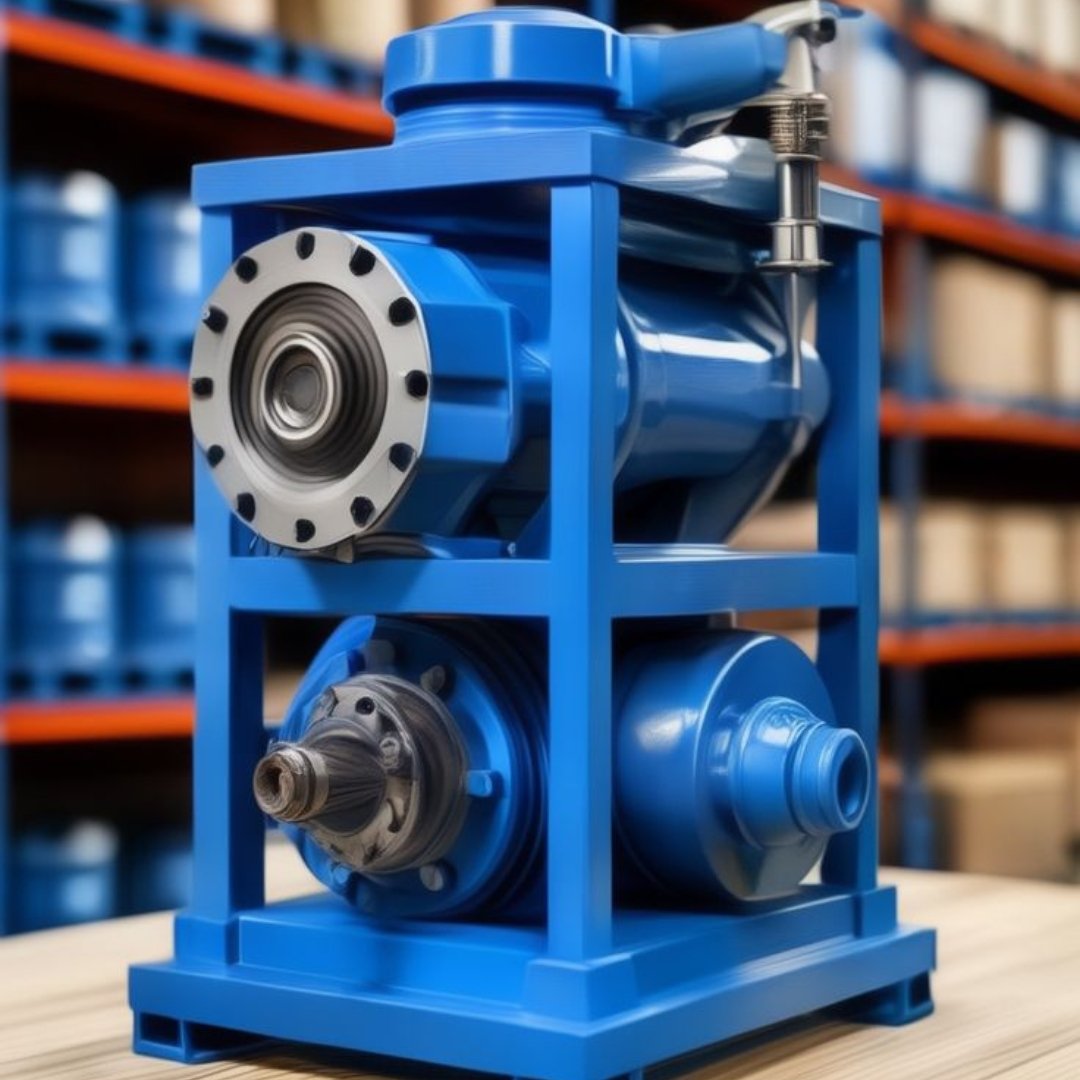
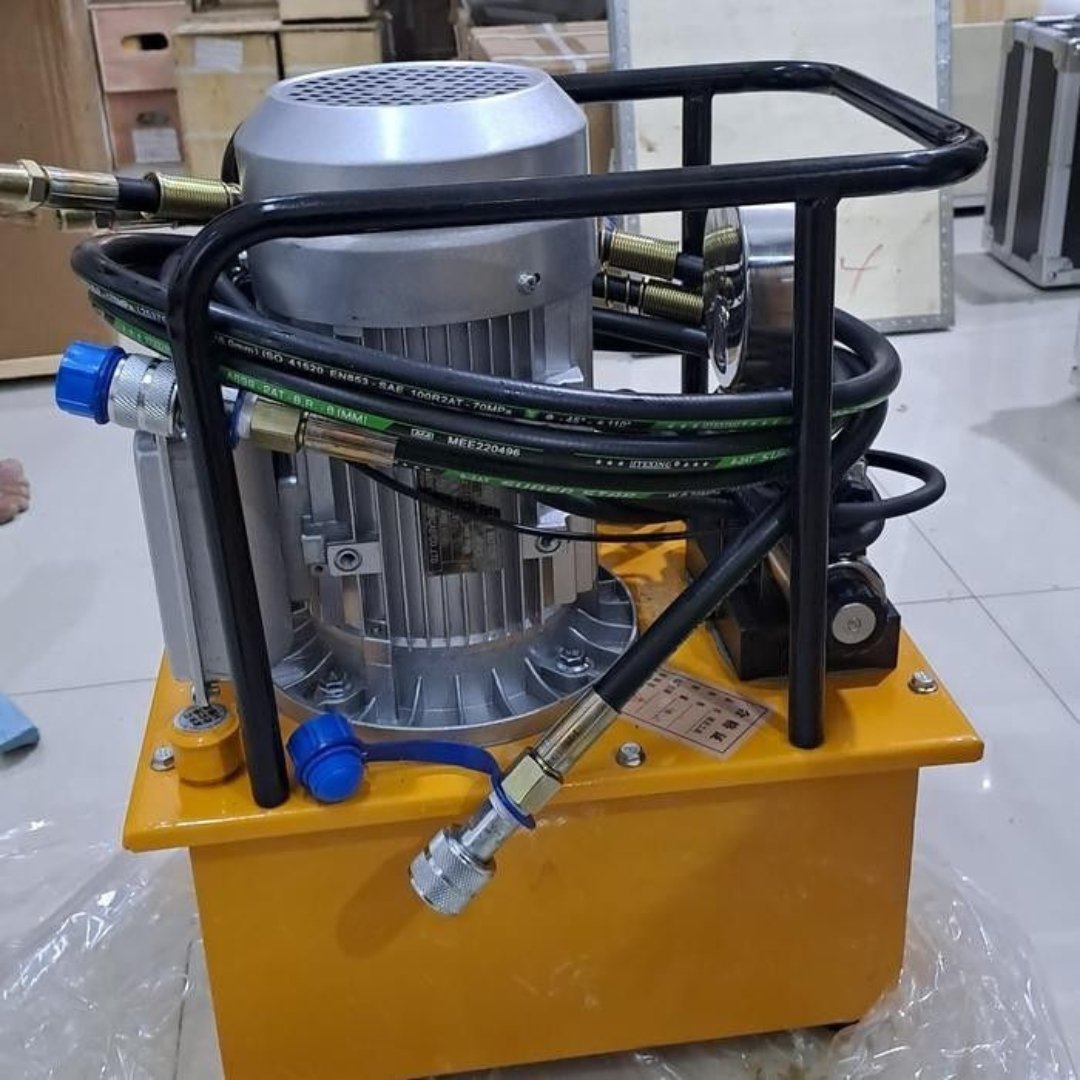
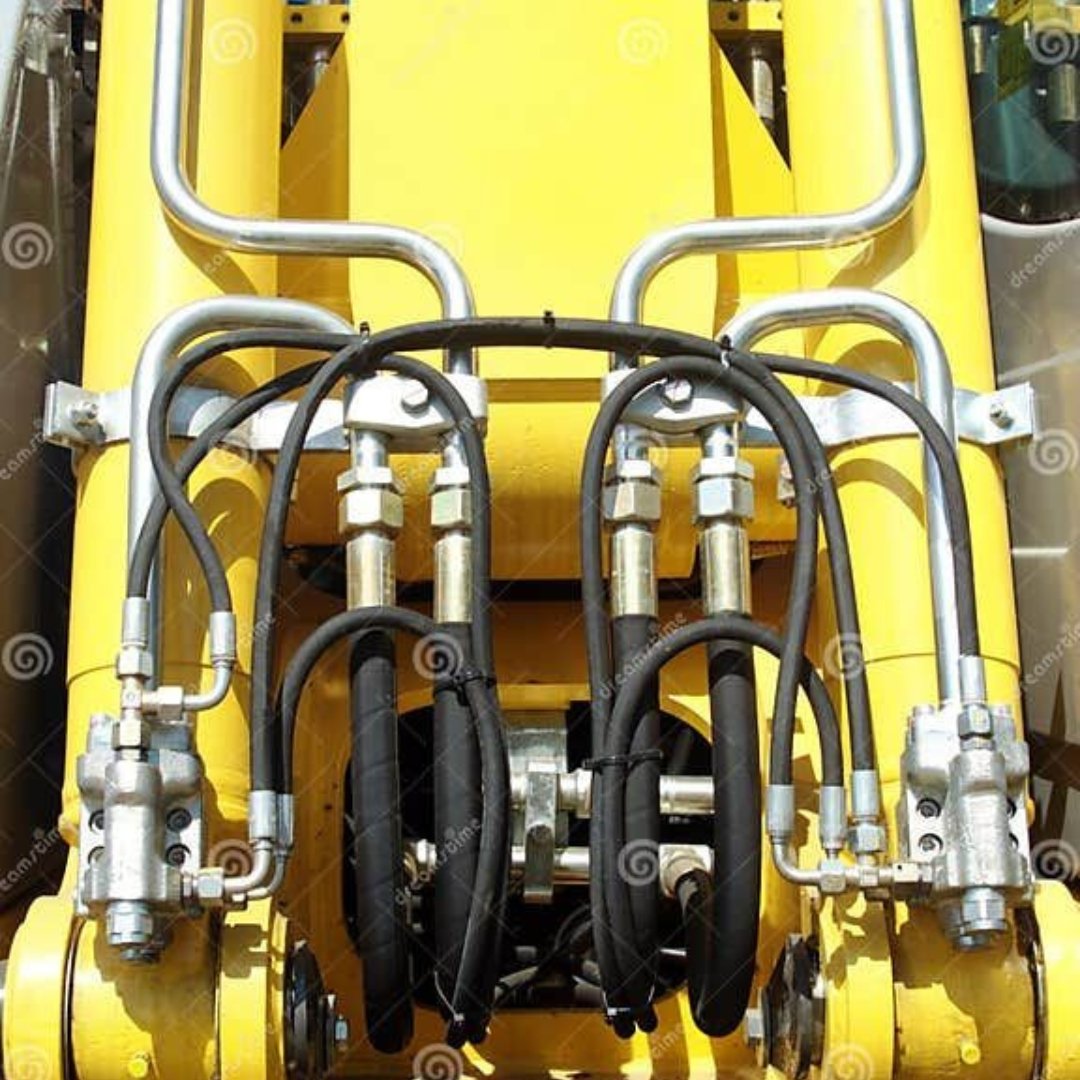
A hydraulic system consists of several key components that work together to generate and control power. The hydraulic pump is the main source that moves fluid and creates pressure. Hydraulic fluid transfers energy while also lubricating and cooling the system. Control valves regulate the flow, direction, and pressure of the fluid. Cylinders and motors convert hydraulic pressure into mechanical motion. Hoses, pipes, filters, and seals support the system by safely transporting and protecting the fluid.
Why Hydraulics Is Important
Hydraulics is important because it allows machines to perform heavy work with great power and accuracy. It helps lift, push, pull, and control large loads with minimal human effort. Hydraulic systems provide smooth and precise movement, which improves safety and productivity. They are widely used in industries like construction, manufacturing, transportation, and aviation. Hydraulics also ensures reliable performance even under extreme pressure conditions. Without hydraulics, many modern machines and industrial operations would not be possible.
Conclusion
Hydraulics is a powerful and essential technology that supports countless industries across the world. It enables machines to perform heavy tasks with ease, accuracy, and safety. From construction sites to manufacturing plants, its role is truly irreplaceable. Proper understanding and maintenance of hydraulic systems ensure long-lasting performance and efficiency. With continuous innovation and smart technologies, hydraulics is becoming more advanced than ever. Its importance will continue to grow alongside modern industrial development.