Hydraulics is one of the most powerful and widely used technologies in modern engineering. From heavy construction machines to aircraft systems, hydraulics plays a crucial role in transmitting power efficiently using liquids.
What is Hydraulics?
Hydraulics is a branch of science and engineering that deals with the mechanical properties of liquids—mainly incompressible fluids like oil or water—to generate, control, and transmit power. The basic principle of hydraulics is that pressure applied to a confined fluid is transmitted equally in all directions, known as Pascal’s Law.

How Does a Hydraulic System Work?
A hydraulic system works by using a liquid under pressure to perform work. When force is applied at one point, the fluid transfers that force to another point, allowing machines to lift heavy loads with minimal effort.
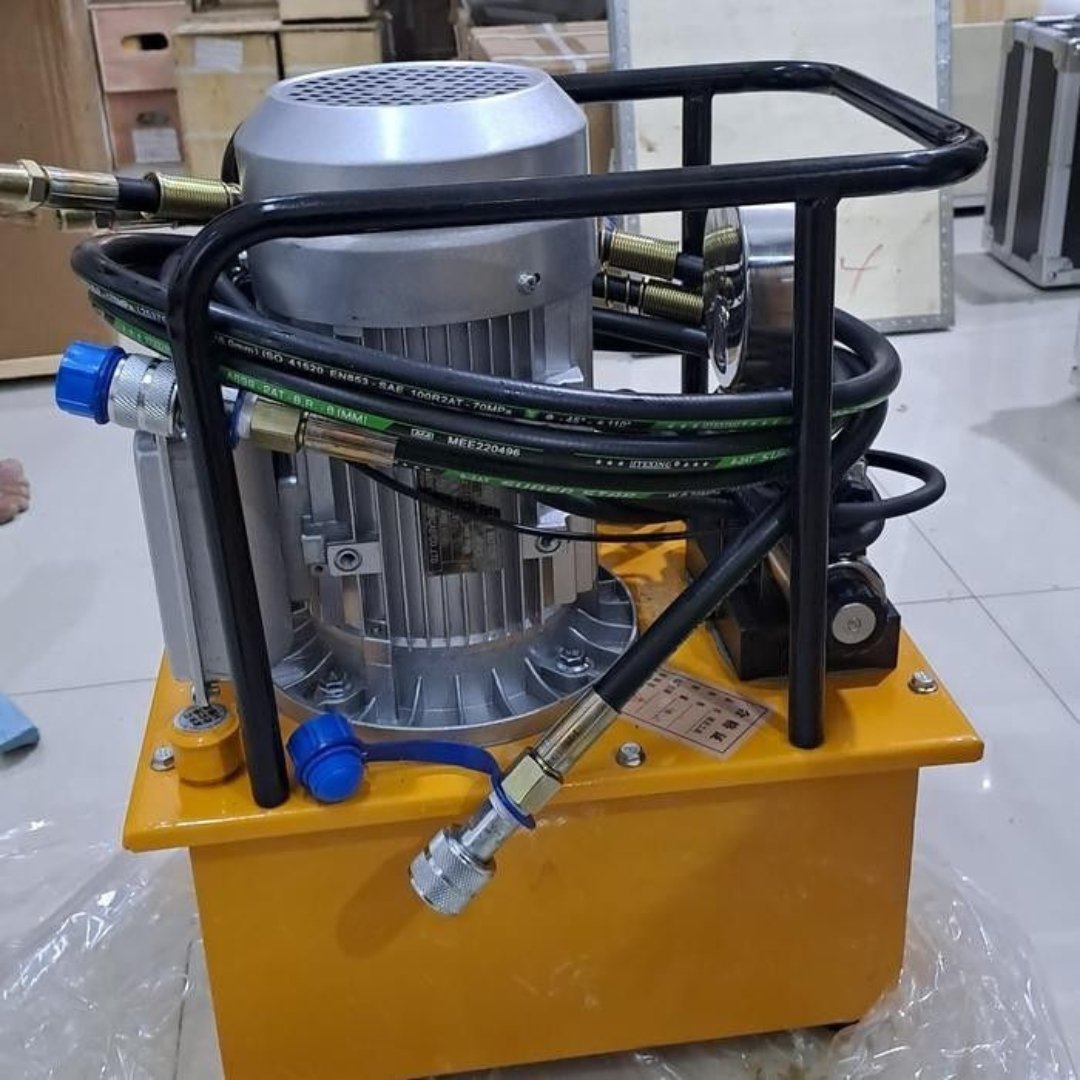
Main components of a hydraulic system include:
-
Hydraulic fluid
-
Pump
-
Valves
-
Actuators (cylinders or motors)
-
Reservoir
Advantages of Hydraulics
Hydraulic systems are preferred in many applications because of their unique benefits:
-
High power output with compact size
-
Smooth and precise control
-
Ability to lift extremely heavy loads
-
Reliable and efficient operation
-
Easy force multiplication
Applications of Hydraulics
Hydraulics is used across various industries and everyday machines, such as:
-
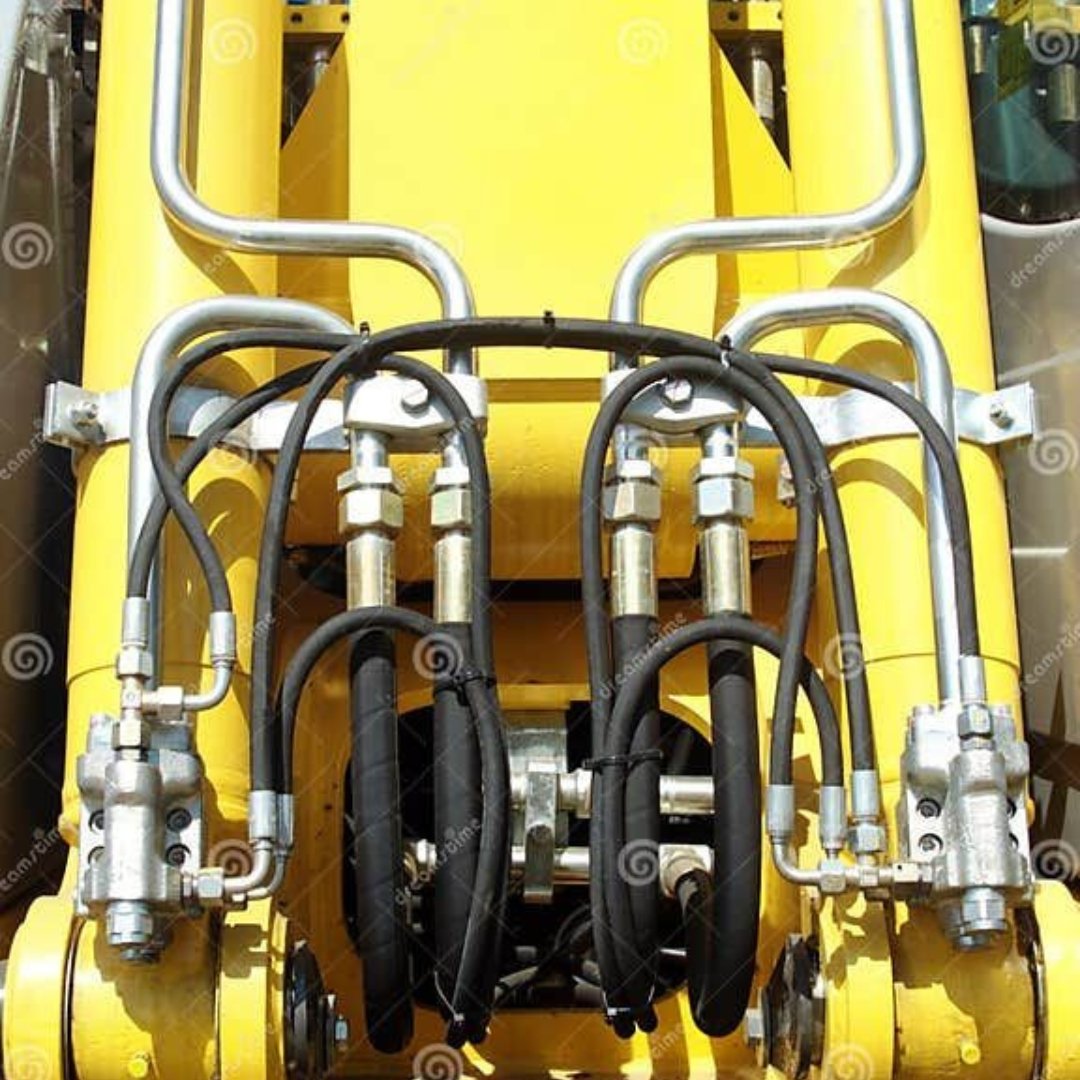
Construction equipment (excavators, cranes, bulldozers)
-
Automotive systems (brakes, power steering)
-
Aircraft control systems
-
Manufacturing and industrial machinery
-
Elevators and hydraulic lifts
-
Agricultural equipment
Hydraulics vs Pneumatics
While hydraulics uses liquids, pneumatics uses compressed air or gas. Hydraulics is better suited for high-force applications, whereas pneumatics is commonly used for lighter, faster operations.
Maintenance and Safety in Hydraulic Systems
Proper maintenance is essential for efficient hydraulic operation. Regular inspection of fluid levels, seals, hoses, and filters helps prevent leaks, system failures, and safety hazards. Using clean hydraulic fluid and following safety guidelines ensures long system life.
Future of Hydraulics
With advancements in automation and smart technology, modern hydraulic systems are becoming more energy-efficient, precise, and environmentally friendly. Electro-hydraulics and digital control systems are shaping the future of this powerful technology.
Conclusion
Hydraulics remains a backbone of modern engineering, enabling machines to perform heavy tasks with precision and efficiency. Understanding hydraulics not only helps engineers but also provides insight into how many everyday machines operate seamlessly.